Written by Dr. Rosie Hodges
At Word Stars, we have the privilege of learning alongside neurodivergent children and their families every day through our established group therapy programs.
While our role is often to support children in developing skills and confidence, the truth is that they have taught us just as much.
One of the biggest lessons has been that capacity fluctuates. A child who participates confidently one week may find the same task challenging the next. We’ve learned to move away from asking, “Why aren’t they doing it?” and instead ask, “What might they need today?”
We’ve also learned that authenticity matters more than compliance. Creating a genuinely affirming environment means moving away from approaches that focus on making children appear “well behaved” at all costs. When children feel safe to unmask and be themselves, things can sometimes look less orderly. However, what emerges is often greater trust, self-advocacy and genuine connection.
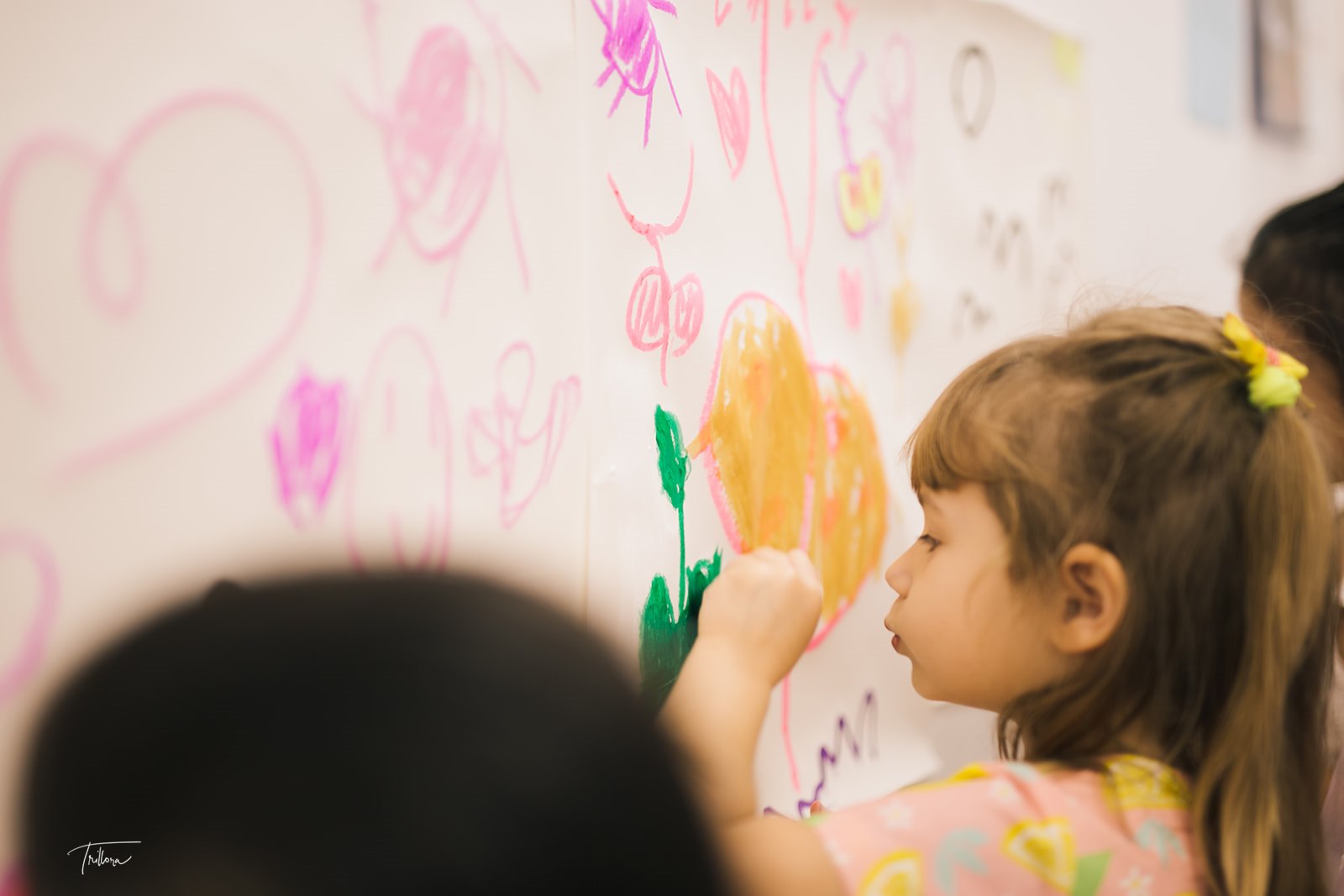
Another important lesson is that listening doesn’t always look like sitting still. Many children learn best when they are moving, fidgeting, drawing or using flexible seating options. Supporting these differences often leads to better engagement and participation.
We’ve also been reminded that sensory needs can be complex. Some children are loud themselves but feel overwhelmed by other people’s noise. Others seek sensory input one moment and avoid it the next. Strategies such as noise-cancelling headphones, heavy work activities, movement breaks and deep pressure can make a significant difference.
Perhaps most importantly, we’ve learned how valuable it is to help children understand their own internal experiences. Building vocabulary around emotions, body sensations and interoception gives children powerful tools for self-awareness and self-advocacy.
Finally, we’ve learned that understanding different perspectives is a long-term journey. These skills develop gradually through relationships, reflection and practice. There are rarely quick fixes, but there can be meaningful growth over time.
The more we learn, the more we realise that supporting neurodivergent children isn’t about changing who they are. It’s about creating environments where they feel understood, valued and able to participate in ways that work for them.
Looking for neurodiversity-affirming support for your child?
At Word Stars, our individual and group therapy programs are designed to help children build communication, social and self-understanding skills in an environment where they feel safe to be themselves.
If you’d like to learn more about our approach, we’d love to chat.