
Written by Dr Rosemary Hodges One of the most common questions parents ask is, “How do I know speech therapy is actually working?”It’s an important question and one that deserves a clear answer. At Word Stars, progress is never assumed or left to guesswork. From the start of each therapy block, we plan how progress will be monitored and reviewed, so families know what change we’re looking for and how it will be measured. Throughout therapy, we complete regular review check-ins to make sure goals remain appropriate and therapy is on track. Progress may be shared in a variety of ways, depending on your child and the goals being targeted. This can include visual progress graphs, examples of your child’s language or work samples, written progress summaries, and scheduled check-in calls to talk through progress and next steps together. Graphs 1 & 2: Examples of how we often graph data for early intervention clients focusing on goals such as increasing the number of consonant sounds they can produce and increasing their vocabulary. *NLM = narrative language measures Graph 3: Example of how we often graph data for our school-aged groups focusing on goals such as telling a well-structured story and answering questions about a story. At the end of each therapy block, progress is reviewed collaboratively. We discuss what has changed, what still needs support, and what should happen next — whether that’s continuing therapy, adjusting goals, changing the therapy format, or taking a break. We think that families should feel confident in understanding their child’s speech therapy progress and supported in making informed decisions along the way.

How Does Speech Therapy Work at Word Stars?
Speech therapy can feel overwhelming when it’s unclear what the focus is or whether progress is being made. At Word Stars Speech Pathology, our approach is designed to provide clarity from the very beginning. We deliver paediatric speech therapy in goal-driven therapy blocks, rather than open-ended therapy. Each therapy block starts with a clear plan. Before therapy sessions begin, your child’s speech pathologist identifies personalised goals, the key strategies that will be used, and how progress will be measured and writes these all down in a “Therapy Plan”. This ensures therapy is purposeful and targeted. Therapy may be delivered through individual speech therapy sessions, small group programs, or short-term therapy intensives, depending on what best supports your child’s goals. The therapy format is chosen intentionally and reviewed regularly as your child grows and develops. Throughout each block, we complete regular progress check-ins to make sure therapy is on track. At the end of the block, progress is reviewed and clear next steps are discussed. This may include continuing therapy, adjusting goals, changing the therapy format, or taking a break. Our aim is simple: families should always know what their child is working on, how progress is going, and what comes next.
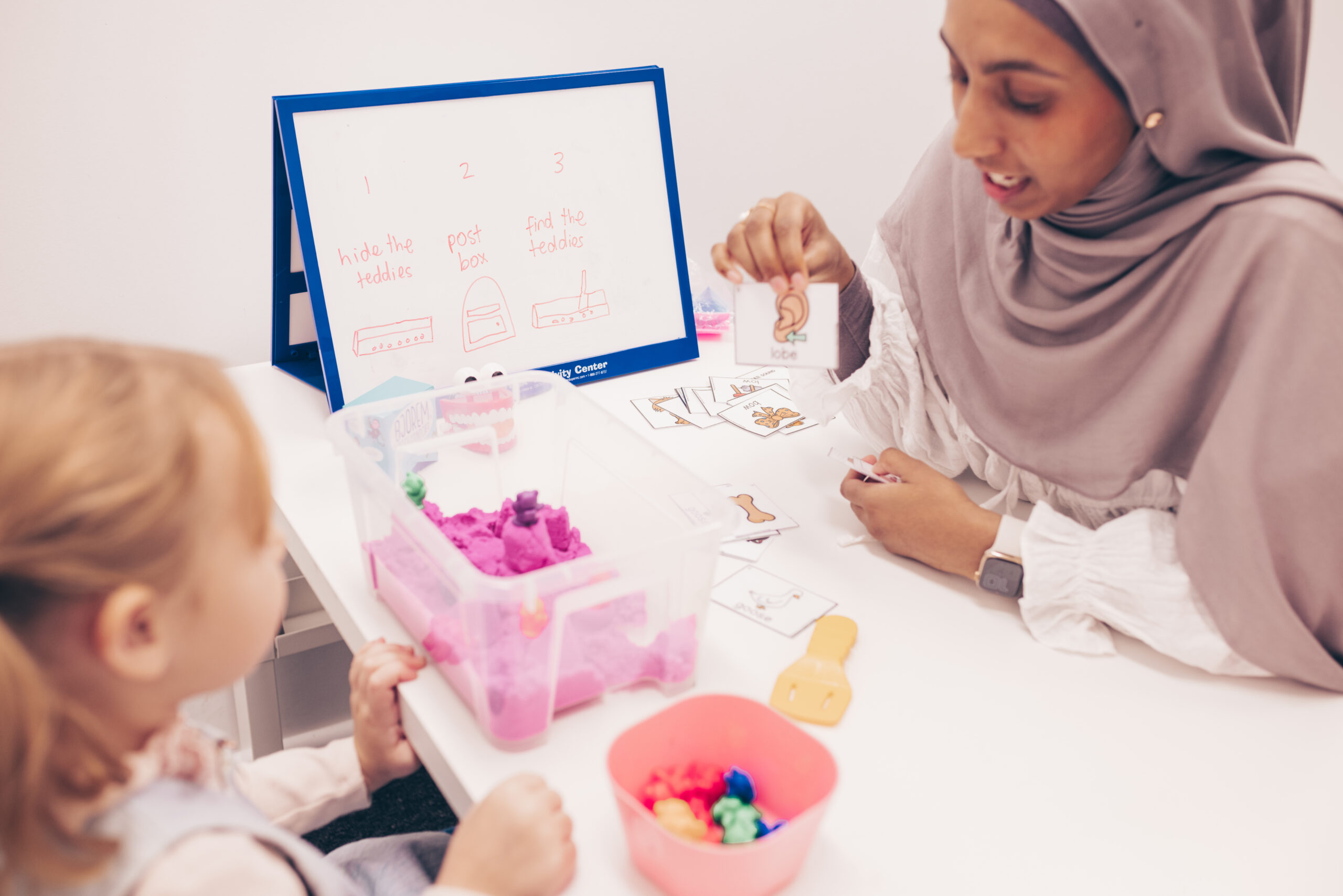
How We Measure Progress at Word Stars: Speech Intensives
By Celine Lowe Pascual & Dr Rosemary Hodges How do you know if your child is making progress in speech therapy? At Word Stars, our therapy is guided by a therapy plan. In the therapy plan, we outline goal/s and how we will measure your child’s progress towards these goals. In this blog, we take a closer look at how we measure progress in our unique and popular service offering, our ‘School Holiday Speech Intensive’. What is our School Holiday Speech Intensive? Our School Holiday Speech Intensive involves an intensive block of 8-10 speech pathology sessions completed over a two week period. We work on one or two specific speech production goals using a tailored approach to therapy. Identifying the Goals Before starting the school holiday speech intensive, your child attends a planning session. In this session, we identify a specific goal or two. After the planning session, we start developing the resources to evaluate your child’s progress towards their goal as well as bespoke therapy materials. Here are two examples of specific goals from past speech intensive clients (pseudonyms have been used): Tracey will be able to say the /s/ sound across all word positions at sentence level with 80% accuracy. Mawan will be able to produce CVC words with the final consonant to 80% accuracy. Identifying the Therapy Approach It is important that the right approach to therapy is used to get the best outcomes for your child. After the planning session, the therapist will identify the most suitable therapy approach. Some things we consider when choosing the therapy approach include: The nature of your child’s speech difficulty and what the research tells us about the most suitable approach/es for this type of difficulty Information about your child’s attention and behaviour gathered from you (parent report), from direct observation, and from their usual speech therapist (if they have one) Your child’s interests These things are important to consider as improving your child’s speech accuracy takes a herculean effort! Our therapists often try to get between 60 to 100 productions of therapy words during each session! Measuring the ProgressAt the start of the intensive, we take the time to conduct a ‘probe’ of the therapy words plus other words that we hope will change as a result of our therapy (we call these generalisation words). To do this, we ask your child to look at some pictures and name them. While doing so, we record their responses, and then measure their % accuracy. We redo this ‘probe’ around the middle of intensive, and again at the end of the intensive. We graph this data so we can share it with you (and sometimes your child if they’re old enough!) to help you understand their progress. Check out the graphs below which show Mawan and Tracey’s exciting progress towards their speech intensive goals. Mawan will be able to produce CVC words with the final consonant to 80% accuracy Tracey will be able to say /s/ at all word positions at sentence level on 80% occasions. Are you interested better understanding your child’s progress in speech therapy? Would you like to see fast progress by engaging in one of our school holiday speech intensives? Contact Us Now