
“Play is a child’s most powerful way to learn—and every child deserves the chance to thrive in a community of peers.” Attending childcare or preschool is something that most children between the ages of 3-5 years-old do. It can be exciting but also overwhelming, with lots of expectations and new peers. For children with communication difficulties, it can be especially tricky to join in with peers, follow routines, and feel confident expressing themselves. That’s why at Word Stars, we’ve created our Preschool Playgroup: a supportive, play-based therapy program facilitated by two of our skilled Speech Pathologists. What happens in Preschool Playgroup? Each week for 9 weeks, a small group of preschoolers and their parents come together in a warm, community setting to: Engage with peers in meaningful play and group activities Follow a routine that gently prepares them for preschool or school Develop social, emotional, and physical skills through play and interaction Practice communication skills in a natural environment It’s not just for the kids! Parents and carers are invited to connect with each other while also learning practical strategies. From the importance of routine, book modelling to alternative communication methods, our therapists run short parent education sessions at the end of each session, so families feel empowered to support their child at home. How does Playgroup reflect Word Stars’ values? Our Preschool Playgroup is a living example of the four Word Stars values: 🌟 Wholistic We collaborate with families and children’s early childhood educators to ensure tailored supports within the group We recognise that participation looks different for every child 🌟 Innovative Our therapist team reflects after each session to bring fresh ideas and strategies week to week and term to term, depending on the group’s needs We use technology such as interactive polls and digital communication platforms (such as “Class Dojo” and “Slido”) to gather parent feedback, spark discussion, and share wins each week 🌟 Results Orientated 9 sessions + 2 parent sessions: research shows children and families achieve stronger outcomes when attending at least 6 sessions Weekly outcome measures are used to track each child’s progress toward their individual goals, which are then discussed with parents at the end of the 9 sessions 🌟 Community-minded Sessions are facilitated in a natural, community setting so children learn and connect in real-world environments Why Playgroup (and not just 1:1 therapy)? This is a question we hear often from families. The answer is: it’s not either/or. One-to-one therapy is excellent for targeting specific communication goals. But children also need supported opportunities to apply those skills in a group setting—just like they’ll do in childcare, preschool, or school. Playgroup offers that bridge. For some children, playgroup has provided a valuable environment to explore and use alternative communication applications such as Proloquo and GoTalk in a more functional and meaningful way. The combination of structured and unstructured activities, such as circle time and morning tea, offers natural opportunities to model language on their applications. We’ll talk with you about your child’s goals and readiness, and decide when Playgroup is the next right step in your child’s therapy journey. “We’ve seen children blossom in confidence after just a few sessions—joining in, playing alongside new peers, and communicating more frequently.” Ready to find out more? If you’d like your child to grow their confidence, friendships, and communication skills in a supportive, play-based setting, we’d love to welcome you to our Preschool Playgroup. 👉 Contact the Word Stars team today to learn more and register your interest. Written by Ellie Bourke, Taraana Mohamed & Dr Rosemary HodgesCertified Practicing Speech Pathologists References Benevolent Society. (2016). Supported playgroups for children from birth to five years. https://www.parentingrc.org.au/wp-content/uploads/2024/09/Supported-playgroups-for-children-from-birth-to-five-years.pdf NSW Communities and Justice. (2024). Family and Community Services Insights, Analysis and Research (FACSIAR) Summary: What does the evidence tell us about supported playgroups? https://dcj.nsw.gov.au/documents/about-us/facsiar/facsiar-publications-and-resources/supported-playgroups-in-early-intervention-facsiar-summary.pdf Queensland Department of Education. (2019). Supported playgroups: A practice guide for facilitators.https://earlychildhood.qld.gov.au/newsResources/Documents/supported-playgroups-practice-guide-facilitators.pdf

Why We Stopped Teaching Kids to “Fit In”(and Started Teaching Everyone About Neurodiversity)
Many ‘social skills’ programs focus on teaching neurodivergent children to adapt to neurotypical communication styles. But communication is a two-way street — so why should only one group be expected to change? We created our social group at Word Stars Speech Pathology after hearing from parents who wanted a safe, supportive space for their children to build social connections. Too often, existing programs for neurodivergent students focus on getting neurodivergent children to “fit it” by teaching neurotypical social norms such as sitting still during group times and looking at the person who is speaking. To find a better way, we consulted with neurodivergent adults and explored neuro-affirming practices, which encouraged us to approach supporting social communication by first supporting students understanding that everyone ‘thinks differently’ and building their own awareness of their communication styles so that neurodivergent children can communicate on their own terms. One of our students, like many others, disliked being singled out for therapy and performed better in group settings. This inspired us to create a whole-class program that would share information about neurodiversity not just with him, but with his teachers and peers. Building Inclusive Classrooms: A Neurodiversity-Affirming Approach to Social Communication The lesson focused on recognising different ways of thinking and learning. We explained that brains are like different flavours of ice-cream — some flavours, like chocolate, strawberry, and vanilla, feel familiar, while others, like lavender or rocky road, might be new or unexpected — but every flavour is great. Students explored “superpowers” of both neurotypical and neurodivergent thinkers and reflected on their own preferences (e.g. liking predictable routines vs. enjoying surprises). We used movement-based activities, asking students to stand in different corners of the room to show their preferences, helping them see that others shared their way of thinking. We also showed that most of us are a mix of neurotypical and neurodivergent traits. Teachers reported that the session was eye-opening and requested more professional learning about neurodiversity. By raising awareness among peers and teachers, we aim to create a classroom environment that makes adjustments for neurodivergent students — not just expecting them to make all the adjustments. This work aligns with the National Autism Strategy’s focus on social inclusion and school-based capacity building. The Australian Government’s Thriving Kids Initiative will also include supports within educational settings. If you’re a school leader, teacher, or parent and would like to see this program in your school or community, we’d love to hear from you. We work closely with schools and families to tailor each program to the needs of your students and teachers. Fill out our Expression of Interest form here: https://forms.office.com/r/CngSnt9PA8 Let’s work together to create classrooms where every child feels understood, supported, and included. Written by Celine Pascual, Mike Cheung & Dr Rosemary Hodges
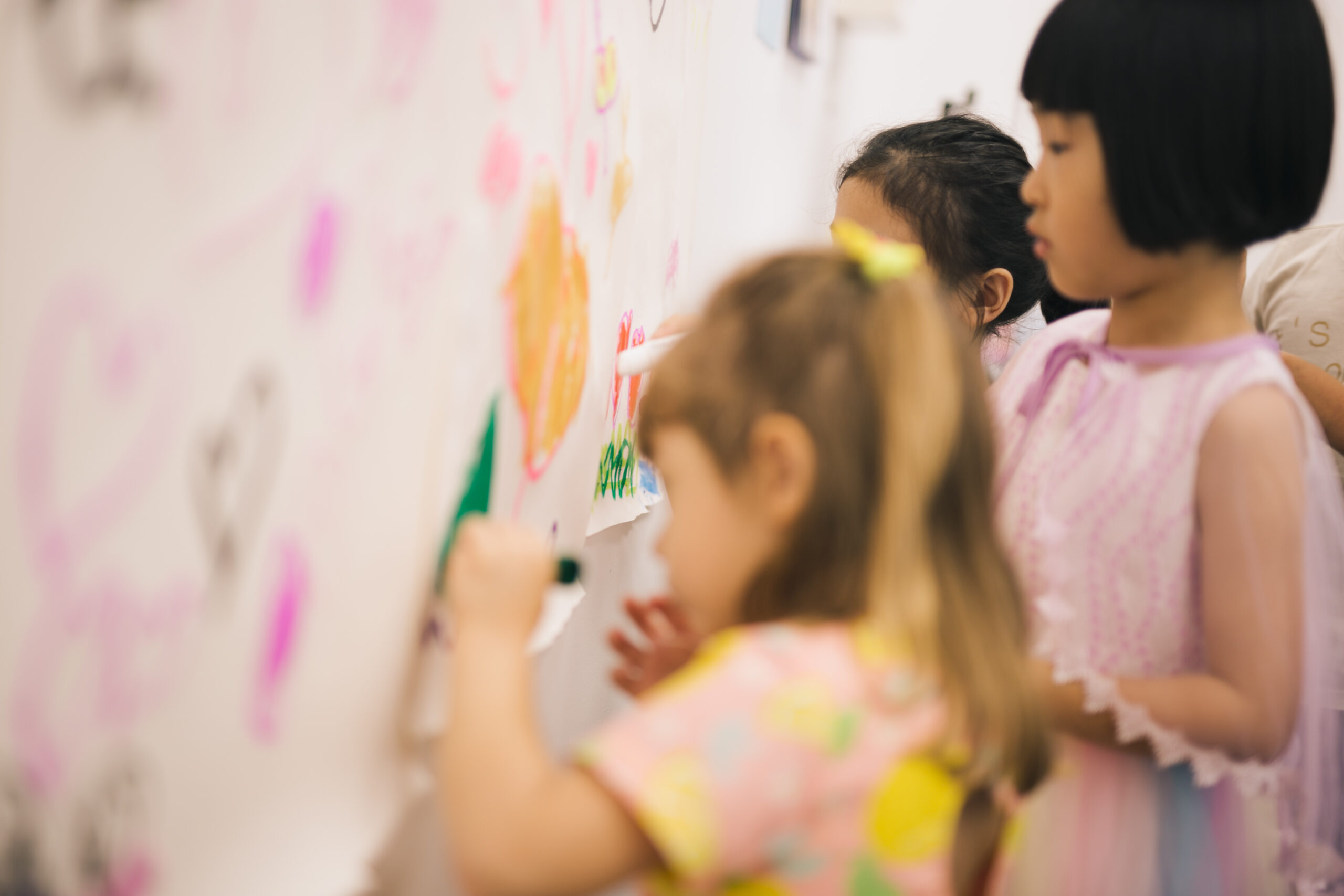
“Unlocking Growth Together: Four Key Benefits of Group Therapy for Children with Communication Challenges”
Group therapy offers a powerful context for children to build communication skills. Let’s explore four benefits of group therapy that highlight why it should be a part of every child’s speech therapy journey. 1. Building Social Communication Skills: Group therapy creates a dynamic social environment where children engage with a small group of similar-aged peers. Through shared activities and conversations, they develop essential skills like sharing their ideas, taking turns, self-advocating and perspective taking. 2. Enhancing Communication Skills in a Real-World Setting: Though group therapy, children are provided with the opportunity to consolidate their communication goals in a setting more akin to a classroom. After all, in the real-world, children mostly need to use their communication skills in groups (not working individually with an adult!) 3. Knowing They’re Not Alone: Children with communication challenges can find solace in realising that other kids also find communication hard. Group therapy creates a safe space where kids can give things a go. Normalising communication challenges can diminish feelings of isolation and foster a sense of belonging, promoting emotional well-being. 4. Teamwork and Collaboration: Life is a series of collaborations, and group therapy lays the groundwork for effective teamwork. Engaging in shared activities encourages children to collaborate, solve problems together, and appreciate the strengths of their peers. These experiences nurture essential life skills, preparing them for a future where collaboration is key. Now you know four key benefits of group therapy and why groups are so important in creating a supportive and enriching environment for children to practise their communication skills. So what are you waiting for? Start looking into group therapy options for your child or workplace today! Written by Dr Rosemary Hodges, Clinical Director at Word Stars Speech Pathology Explore our other blog posts here!